Oe-cusse Regional Authority
Lori Dezenvolvimento ba RAEOA
Lori Dezenvolvimento ba RAEOA
No events
No latest news

Population
80,399

Surface
550.91 km2

Language
Tetun, Baikeno

Capital
Pante Macassar
Geographically, RAEOA has four sub-regions: Pante-Macassar, Oe-Silo, Passabe, and Nitibe, composed of a total of 20 Sukus and 64 Aldeias. Based on the 2022 census, the total population is 80,726, with an annual growth rate of 2.3%. Most of the population depends on agriculture, livestock, and fishing, particularly in coastal areas.
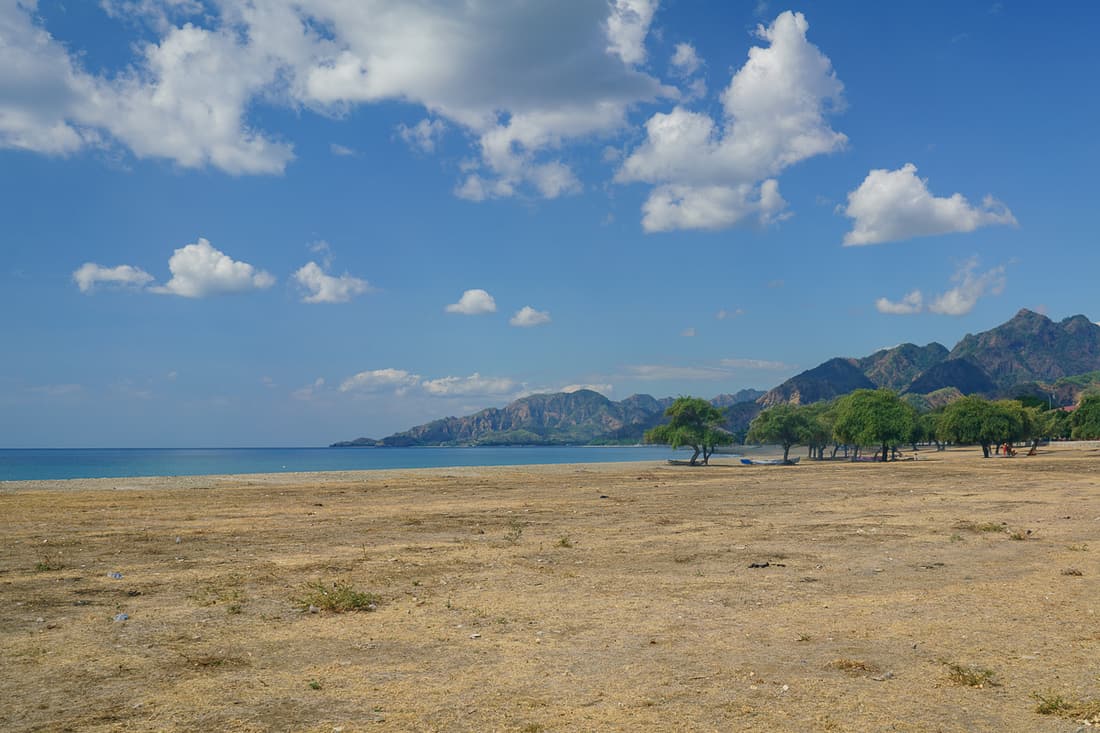
To the west, it borders Kupang, NTT, Indonesia; to the east, it borders the North Central Timor District (TTU), NTT, Indonesia; on the south, it borders the TTU District; and on the north, it borders the north sea, facing the Sawu Sea.
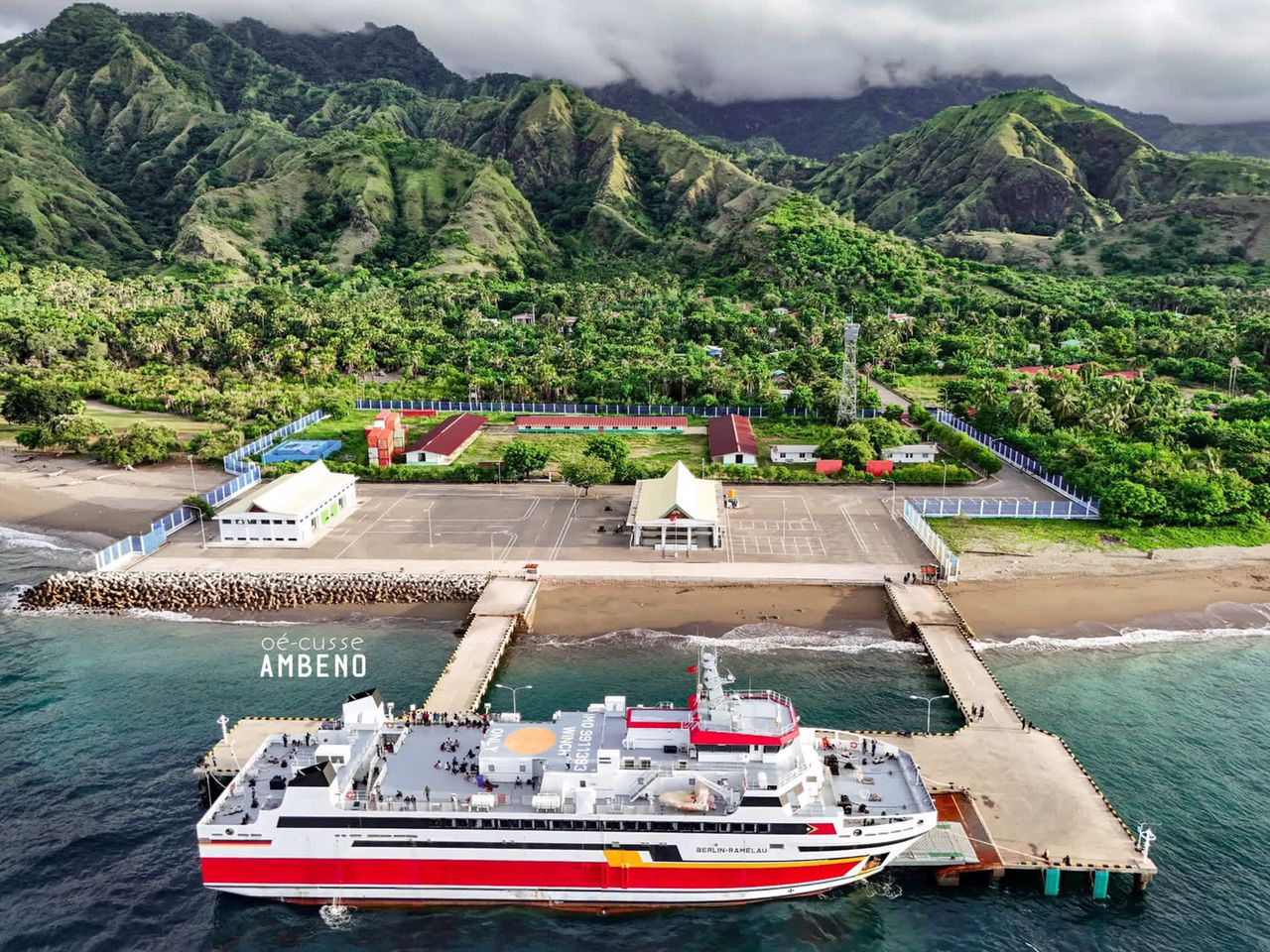
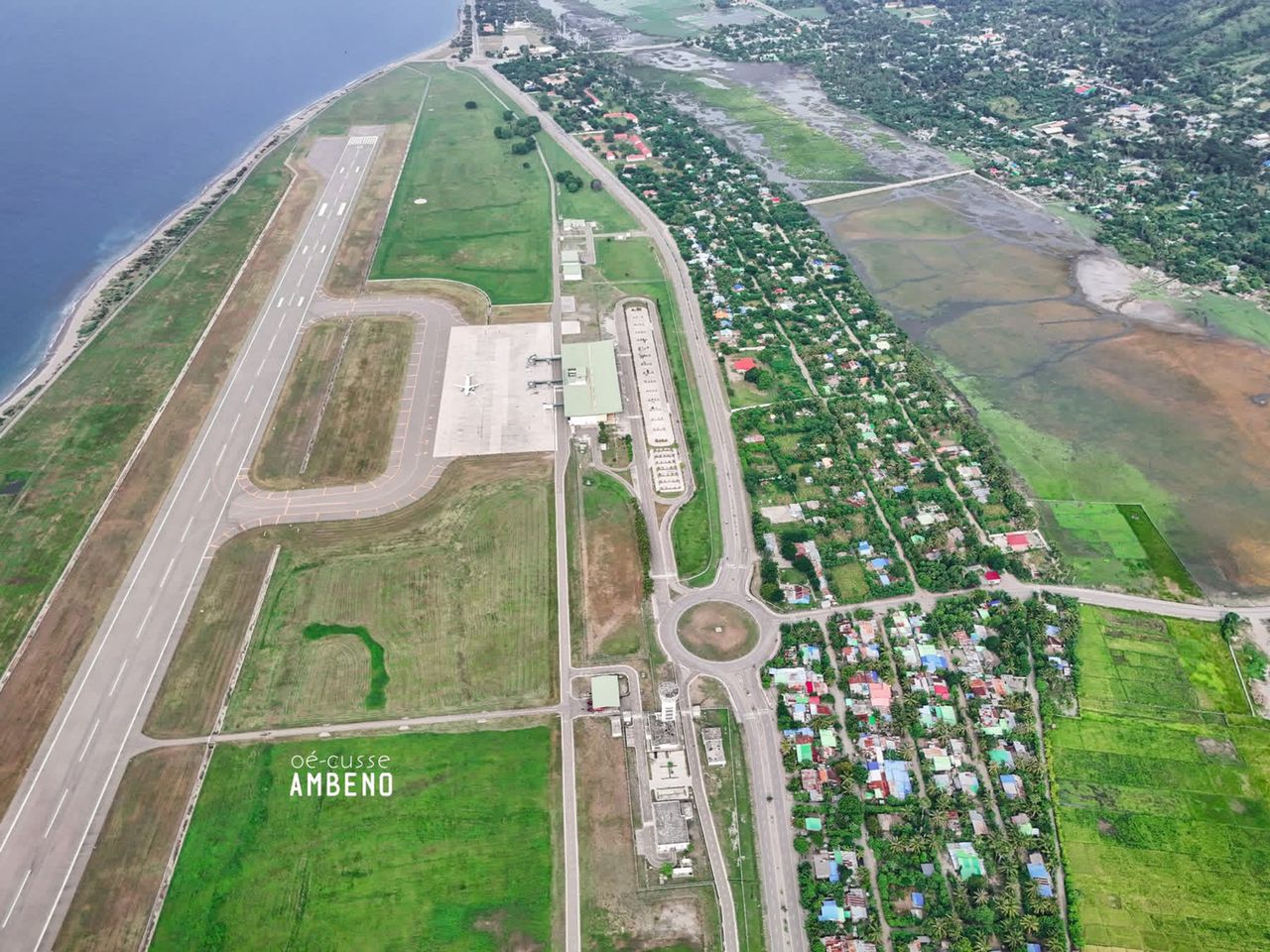
To reach this area from Dili, land transport can be used through Indonesian territory, especially Belu and TTU districts. Air transport is also available, currently facilitated by commercial aviation operator AERO Dili, as well as maritime transport using ferries such as Berlin Ramelau, Nakroman, and Ro Success (https://raeoa.tl/about-us/).
In the Oé-Cusse Ambeno Special Administrative Region (RAEOA), the primary language spoken is Baikenu (a dialect of Uab Meto), along with the national languages Tetum and Portuguese. As part of Timor-Leste, Portuguese and Tetum are the official languages, while Baikenu defines the local cultural identity. Local Language: The indigenous language of the region is Baikenu (also known as Baiqueno or Baikeno), which is a dialect of the Uab Meto language spoken in West Timor.
According to etymology, Oe-Cusse comes from the words Oe and Cusse. Oe means “water,” and cusse means “reservoir.” Geographically, Oe-Cusse, with an area of 814.7 square kilometers, is part of the territory of the Democratic Republic of Timor-Leste (RDTL). This area was the first place where Portugal established its presence and governance on the island of Timor. From 1702 to 1767, it was the center of government and the capital of Timor.
Since the Portuguese arrived in the port of Lifau in 1515, Oé-Cusse has been a disputed territory because of its geostrategic position. The Japanese, Portuguese and even the Dutch fought in the following years to control the country until November 28, 1975, when the Timorese gained independence from Portugal.
| Year | Proposed value | Attachment |
|---|---|---|
| No data |
| Year | Budget Allocated |
|---|---|
| No data |

© 2026 Oe-cusse Regional Authority